


Blog

🚗 AWD vs 4WD: Which GMC System Is Right for You? (And How It Affects Fuel Efficiency)

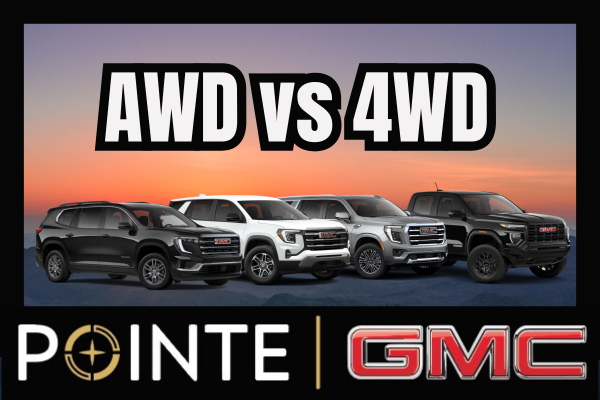
AWD vs 4WD (600 x 400 px)

If you’re shopping for a new vehicle, especially an SUV or truck, you’ve probably asked yourself: Should I choose AWD or 4WD? At Pointe GMC, we hear this question all the time—and the answer depends on your lifestyle, driving habits, and even your fuel efficiency goals. Let’s break it down in a simple, smart way so you can choose with confidence.

🔍 What’s the Difference Between AWD and 4WD?
All-Wheel Drive (AWD) automatically distributes power between the front and rear wheels as needed. It’s designed for everyday driving and light weather conditions like rain or snow. AWD systems are always active, which makes them convenient and seamless for drivers who want extra traction without thinking about it.
Four-Wheel Drive (4WD), on the other hand, is typically found in trucks and more rugged SUVs. It allows you to manually engage power to all four wheels, making it ideal for off-road driving, towing, and challenging terrain like mud, sand, or deep snow.

⛽ How Does AWD vs 4WD Impact Fuel Efficiency?
Fuel efficiency is one of the biggest differences between these two systems. AWD vehicles tend to be more fuel-efficient because they are lighter and designed for on-road use. Since AWD systems operate automatically and are optimized for balance, they typically consume less fuel during daily driving.
4WD vehicles, while incredibly capable, are generally less fuel-efficient. This is because they are built for strength and durability, often with heavier components and drivetrains. When 4WD is engaged, it uses more power, which can reduce miles per gallon—especially during frequent use.

🚙 Which GMC Vehicles Offer AWD or 4WD?
GMC gives you the flexibility to choose based on your needs. Models like the GMC Terrain and GMC Acadia offer AWD options that are perfect for commuters and families who want confidence in all weather conditions.
If you’re looking for power and capability, trucks like the GMC Sierra 1500 or GMC Canyon offer 4WD systems designed for towing, hauling, and off-road adventures.

💡 So, Which One Should You Choose?
Choose AWD if you want better fuel efficiency, smoother handling, and a system that works automatically in changing road conditions. It’s perfect for daily driving around town or commuting in areas with occasional bad weather.
Choose 4WD if you need maximum traction, plan to tow heavy loads, or enjoy off-road driving. While it may use more fuel, the added capability can be worth it for the right driver.

⭐ Final Thoughts
At the end of the day, both AWD and 4WD offer incredible benefits—it just comes down to how you plan to use your vehicle. If you’re still unsure, the team at Pointe GMC is here to help you compare options and find the perfect fit for your lifestyle.

📍 Visit Pointe GMC Today
91 N Virginia Ave Route 130, Penns Grove, NJ 08069
📞 (856) 517-4562
🌐 www.pointegmc.com
Recommended Posts

GMC truck payload

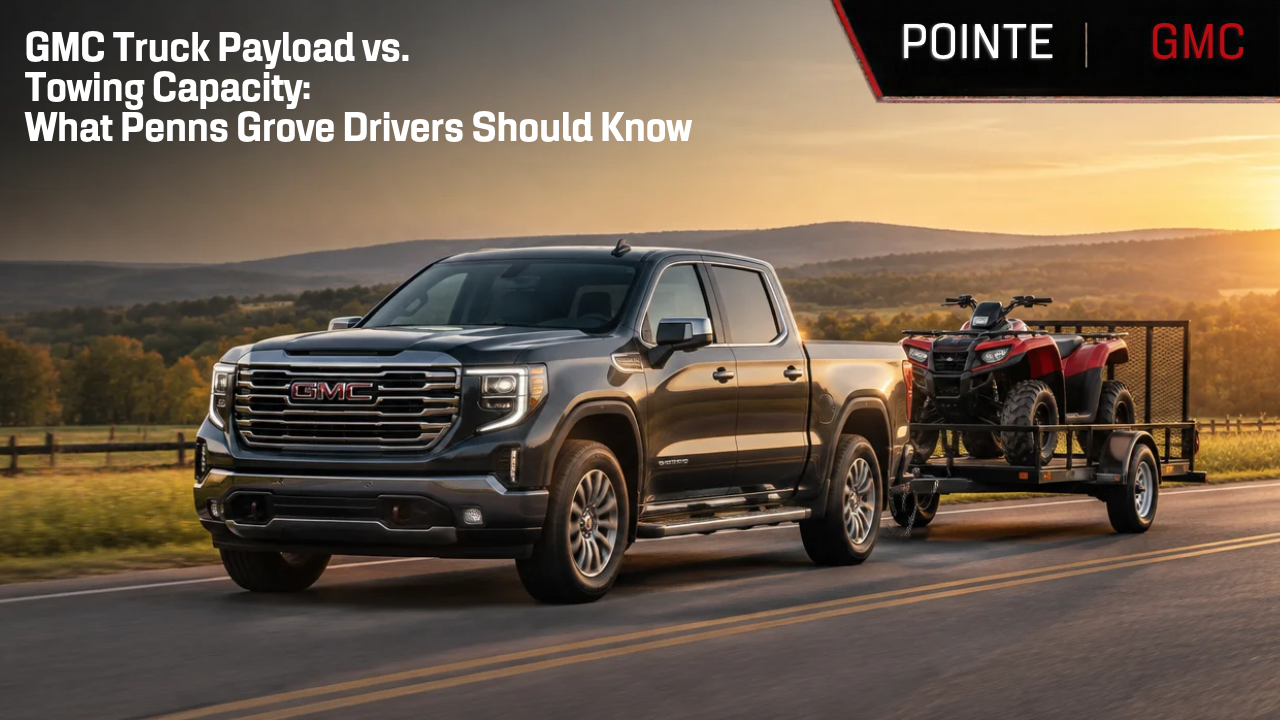
GMC Truck Payload vs. Towing Capacity: What Penns Grove Drivers Should Know

A truck’s towing rating tells only part of its capability story. Whether you are considering a GMC Canyon, Sierra 1500 or Sierra HD, you also need to understand how much weight the specific truck can carry. Passengers, tools, supplies and the weight a trailer places on the hitch all matter. At Pointe GMC in Penns Grove, NJ, we help truck shoppers compare vehicles around their actual workload. Understanding payload and towing capacity can help you narrow your choices and identify the equipment your next GMC needs. What Is Payload? Payload refers to the weight a truck can carry, including passengers, cargo and added equipment. A full cab of passengers, a loaded toolbox and supplies in the bed all contribute to that load. When towing, the weight the trailer places on the truck through the hitch also uses available payload. An empty-looking bed does not necessarily mean plenty of carrying capacity remains. Check the specific truck’s labels and Owner’s Manual to understand its carrying limits. Accessories and equipment added after purchase also need to be accounted for. What Is Towing Capacity? Towing capacity describes how much trailer weight a vehicle is rated to pull under the applicable conditions. That rating depends on the truck’s configuration and equipment. A model’s advertised maximum towing capacity typically applies to a particular setup. It should not be assumed to apply to every truck with the same model name. Engine, drivetrain, cab, bed and trailering equipment can affect the rating. When comparing trucks, look for the trailering information that applies to the actual vehicle you are considering. Why Payload and Towing Capacity Matter Together Imagine loading passengers, a toolbox and weekend equipment into your truck before connecting a trailer. Those items use carrying capacity before the trailer’s hitch load is added. The trailer must also be evaluated at its loaded weight, including the supplies, equipment and other items carried inside it. Its empty weight is not the same as the weight you will tow. Checking towing capacity alone can leave out an important part of the calculation. Payload, axle limits, hitch limits and other applicable ratings still need to be respected. For an existing setup, weighing the loaded truck and trailer can provide more useful information than estimates alone. How Does This Apply to GMC Trucks? Start with how you plan to use your pickup, then check the ratings for the specific vehicle. GMC Canyon The GMC Canyon belongs on your comparison list if you want a midsize pickup. Consider your regular passengers, bed cargo and trailer requirements when evaluating a particular Canyon configuration. Choosing a smaller pickup still requires the same careful review of payload, towing capacity and equipment. GMC Sierra 1500 If you are considering a full-size pickup, explore the GMC Sierra 1500. Compare the actual truck’s configuration and ratings rather than assuming every Sierra 1500 can carry or tow the same amount. Think through your complete load, including people, tools, bed accessories and trailer hitch weight. These details help you identify a truck suited to both daily driving and hauling responsibilities. GMC Sierra 2500 HD For demanding hauling and trailering requirements, include the GMC Sierra 2500 HD in your search. Even with a heavy-duty truck, passengers, cargo, hitch weight and applicable vehicle limits must all be considered. The right choice depends on your complete workload and the individual truck’s configuration—not simply its model name. What Should You Bring When Shopping for a Truck? A little preparation can make your dealership visit more productive. Bring information about: Your trailer’s expected loaded weight The number of passengers you regularly carry Tools, equipment and supplies carried in the cab or bed Accessories you plan to install How frequently you expect to tow or haul If you already own a trailer, bring its specifications and any available scale weights. Explain how you use it, including whether your typical load changes between trips. Ask the dealership team to help identify the relevant vehicle labels and configuration-specific trailering information for the truck you are considering. Find a GMC Truck Suited to Your Workload at Pointe GMC Whether you need a pickup for work or recreation, the right truck should fit your complete load. Understanding payload and towing capacity gives you a stronger starting point when comparing your options. Bring your trailer information and a list of regular passengers, tools and cargo when you contact Pointe GMC in Penns Grove, NJ. Our team can help you compare available GMC trucks and review the configuration-specific information before you choose. Before trailering, review the vehicle’s Owner’s Manual and all applicable vehicle, trailer and hitch ratings. Passengers, cargo and added equipment can reduce available towing capability. Ratings vary by model year, configuration and equipment.

truck bed

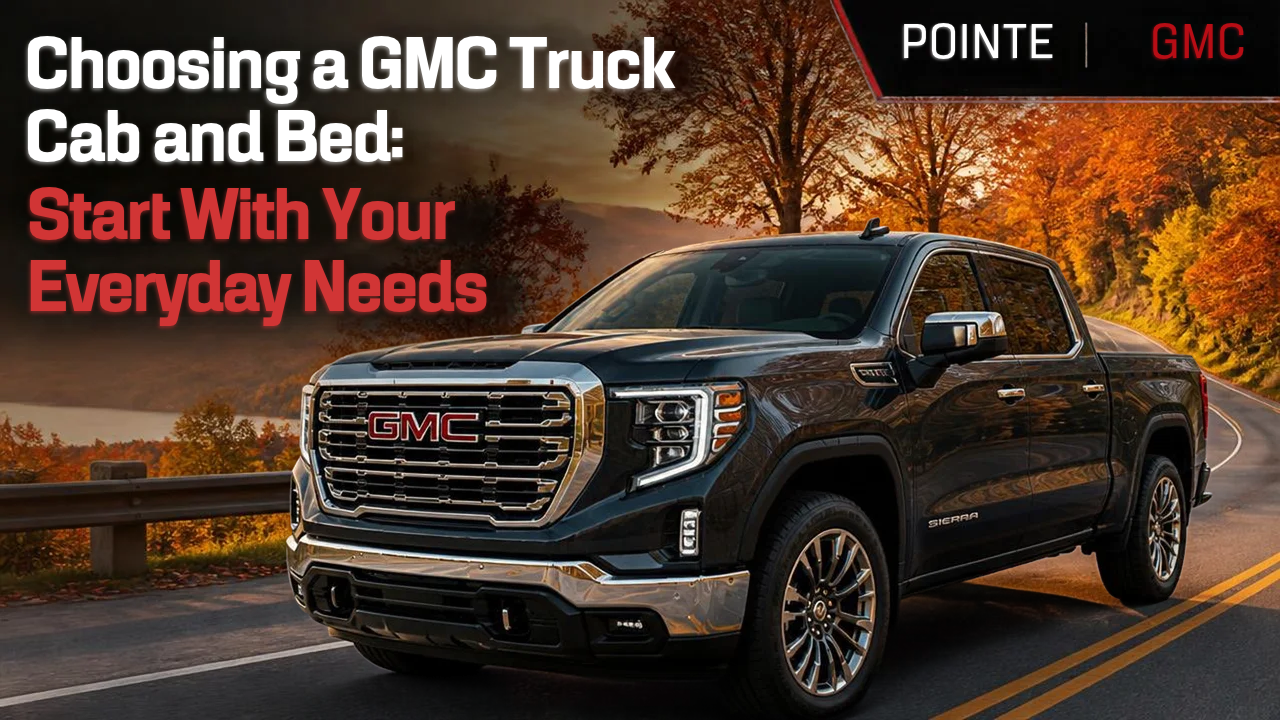
Choosing a GMC Truck Cab and Bed: Start With Your Everyday Needs

When shopping for a pickup, engine choices and trim names often get the attention first. But cab and bed configuration can have just as much influence on how useful your truck feels every day. The right setup should accommodate the people you carry, the items you load and the places you park. Before choosing a GMC truck at Pointe GMC, take a few minutes to think through those three needs. Start with your passengers Will you usually drive alone, carry a coworker or transport a full household? How frequently will adults use the rear seats?Depending on the model and year, GMC trucks offer different cab configurations. Compare the actual seating layout, rear-door access and room for passengers in the vehicles you are considering. If rear seating will be used regularly, spend time in that row rather than judging it from the driver’s seat. Also consider what needs to stay inside the cab. A laptop bag, work tools and other items may need space separate from passengers. Interior storage matters when your truck doubles as your everyday vehicle. Measure the cargo you carry most often Think about your recurring loads: toolboxes, landscaping supplies, sports equipment or materials for home projects. Measure representative items and compare them with the usable bed dimensions. Bed length is only part of the picture. Width between the wheel housings, loading height and the space taken up by installed accessories can affect fit. A toolbox or storage system may reduce the room available for other cargo. Long objects also require an appropriate securement plan. Choosing a longer bed does not eliminate the need to secure loads and follow applicable requirements. Check your parking space A truck that suits your workload should also fit your driveway, garage and usual parking locations. Measure garage depth, door clearance and available width, including room to open the doors. If you share a driveway or use crowded parking lots, overall vehicle length deserves attention. Cab and bed combinations can change the truck’s footprint, even within the same model family. Verify the combination on the actual truck Not every cab, bed, trim and powertrain combination is offered together. Availability also changes by model year. Review the specific vehicle’s configuration instead of assuming you can mix every option you see online. Bring your measurements and a short list of regular passengers and cargo to Pointe GMC in Penns Grove, NJ. Our team can help you compare available GMC pickups and find a configuration that works for your daily routine.

gmc truck

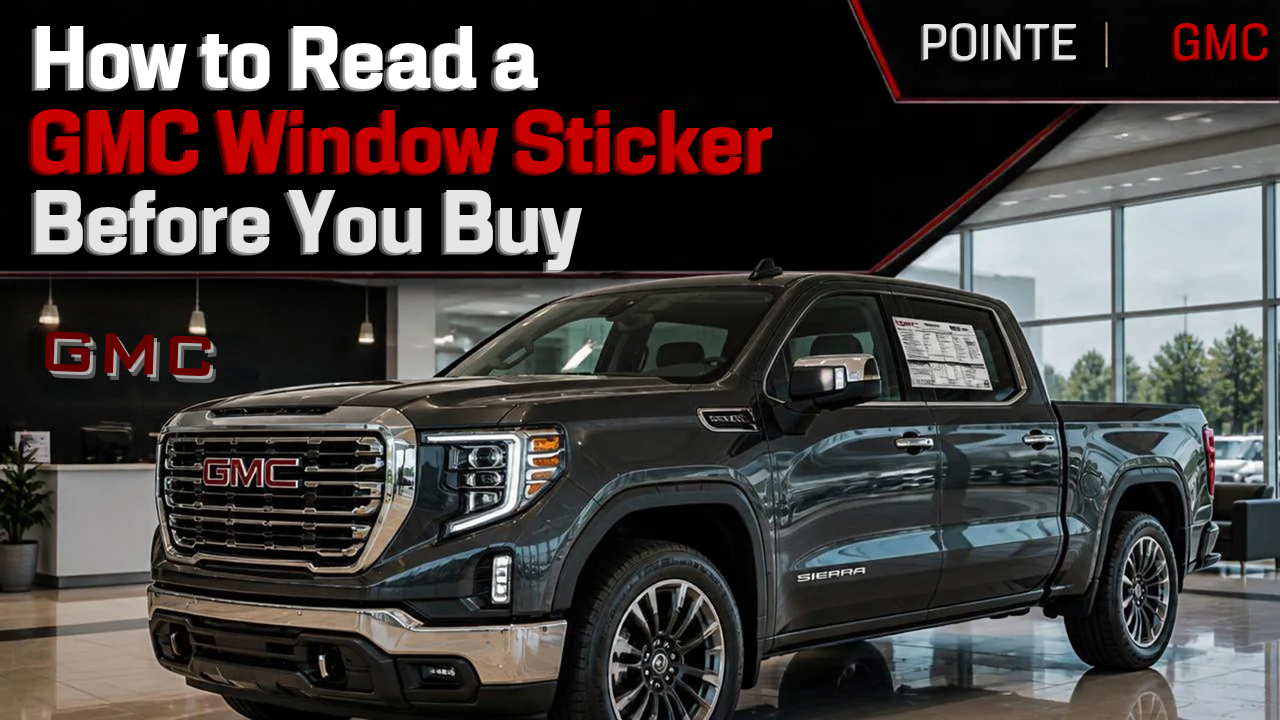
How to Read a GMC Window Sticker Before You Buy

Two GMC trucks or SUVs can look almost identical online and still have different equipment. One might include a package you want, while another has a different engine, drivetrain or collection of comfort features. The window sticker helps you understand the specific vehicle you are considering. For shoppers in Penns Grove and throughout South Jersey, learning to read that sticker can make vehicle comparisons much more useful. Here is where to start. Match the sticker to the vehicle Begin with the model year, model, trim and vehicle identification number, or VIN. The VIN identifies the individual vehicle. Make sure it matches the listing or vehicle you are reviewing, especially if you have several similar GMC models on your shortlist. Next, check the engine, transmission and drivetrain information. For pickup shoppers, cab and bed configuration also deserve attention. These details influence how the vehicle fits your needs and help explain differences between listings. Separate standard equipment from added options Standard equipment comes with that vehicle’s model and trim. Optional equipment adds features or packages to the specific vehicle. Read both sections rather than assuming a trim name tells the whole story. If a package includes several items, ask what each one does. A feature you see in a photograph may also need confirmation on the actual vehicle. Listing photos, especially stock images, should not replace the equipment information for the VIN you plan to purchase. Understand which price you are looking at The sticker shows the manufacturer’s suggested retail price and relevant equipment and destination charges. That figure is a starting point for understanding the vehicle’s configuration. Ask for a written purchase quote that separately explains the selling price, taxes, applicable fees and any optional products. If an advertised price includes incentives, ask which qualifications apply. This makes it easier to compare vehicles using the same information. Use fuel-economy information as a comparison tool Where fuel-economy estimates appear, remember that actual results depend on driving conditions and vehicle use. Compare estimates for the specific configurations you are considering rather than borrowing a number from another trim or drivetrain. Bring your questions to Pointe GMC Before visiting, save the listings and window stickers for your favorite vehicles. Highlight must-have equipment and anything you want explained. Visit Pointe GMC in Penns Grove, NJ, to review available GMC trucks and SUVs. Our team can help you connect the equipment listed on a window sticker with the vehicle in front of you, so you can make a more informed choice.